
U.S. hoteliers lobby Washington: expand visa programs and boost inbound tourism
The American Hotel & Lodging Association (AHLA) held its annual lobbying event in Washington, attracting over 300 industry participants from 46 states. Key demands include: raising the H-2B seasonal visa cap (currently 66,000 per year, unchanged since the 1990s), passing the "Certified Seasonal Employer" proposal, restoring Brand USA marketing funds (cut by 80% in 2025), and advancing the American Franchise Act. Industry leaders warned that without timely action, the potential for inbound tourism during the World Cup and Olympics will remain unrealized.
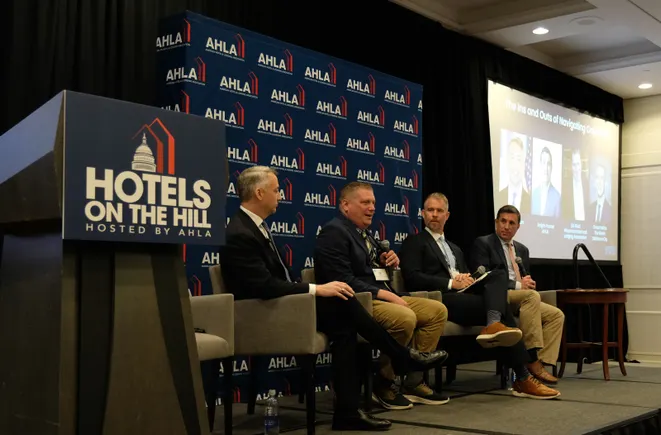
WASHINGTON — More than 300 hotel industry leaders gathered Tuesday in the lower ballroom of the Capitol Hill Hilton in Washington, D.C.,to advocate for policy changesaimed at securing the industry's labor supply and boosting overall international visitor numbers.
According to the organization, this year's American Hotel & Lodging Association (AHLA) "Hotels on the Hill" event drew general managers, owners, and executives from 46 states, making it the best-attended in the event's 20-year history. Attendees discussed how to position the industry for long-term growth and success.
The lobbying event comes justabout a month before the 2026 FIFA World Cupkicks off. Many hoteliers are watching booking trends as the tournament approaches and assessing its potential impact on the broader tourism industry.
"The World Cup is right around the corner, and I think it's critical to address these issues before the Olympics (Los Angeles 2028) arrive," Jon Bortz, chairman and CEO of Pebblebrook Hotel Trust and chair of AHLA's Hotel PAC Advisory Board, told Hotel Dive.
With that in mind, hoteliers are pushing for legislation designed to create more reliable workforce pipelines and encourage more international travelers to visit the U.S.
Expanding the hotel workforce
According to attendees, one of the association's top priorities is expanding the current H-2B visa program. This seasonal labor program allows hotel operators to hire foreign workers after demonstrating to the U.S. Department of Labor that they cannot recruit enough domestic workers.
Currently,the program caps visa approvals at 66,000 per year, with 33,000 allocated per half of the fiscal year (according to government website information). However, Bortz noted that this cap has not been updated since the 1990s, while the industry's labor needs have grown significantly.The Department of Homeland Security has previously adjusted the cap temporarily, issuing additional worker visas.
"The industry has grown dramatically during this period," he said. "There are resorts popping up all over the United States, so the demand for labor has increased significantly."
Bortz and other resort operators are pushing to adjust this number to reflect the industry's actual needs. According to AHLA data, there are approximately 100,000 open positions across the U.S. hotel industry.
Scott Steilen, president and CEO of Sea Island Company in Georgia, told Hotel Dive that his resort relies heavily on the program during its peak season from April to October. He said his properties apply for about 180 H-2B workers annually, mostly from Jamaica, but only 80 have been approved in the past two years.
Currently, the program uses a lottery-like system to allocate work visas, which can leave resorts understaffed as peak season arrives.
"The (hotel) workforce is a huge void," Steilen said. "They have multiple contingency plans, but every year we start with extreme anxiety about how we're going to fill these positions."
A proposal to introduce a "certified seasonal employer" designation has gained some congressional support, and AHLA members hope it will pass. Steilen said the proposal would exempt workers with five years of H-2B experience and a good record with the Department of Labor from the lottery, essentially guaranteeing their employment at resorts.
Steilen added that opposition to raising H-2B visa numbers largely stems from a "misconception" that the program takes American jobs and allows hotels to pay lower wages.
"This is not about suppressing wages, nor is it about hiring cheap labor or paying below-standard wages," he said. "We have to pay prevailing wages... We cannot bring in labor from abroad at wages lower than what we pay domestic workers."
Improving international tourism
AHLA is also actively urging lawmakers to pass theVisit America Act. First introduced to Congress last November, the bill aims to restore funding for Brand USA, the nation's official inbound tourism marketing organization.
Bortz noted that Brand USA's funding was cut by 80% in 2025, threatening both market share and job growth. He also revealed that despite "strong travel demand," the U.S. faces a travel trade deficit of about $70 billion.
"Global travel is on a long-term upward trend," Bortz said,"but tourists are currently not choosing to come to the U.S."。
Especially with the World Cup this summer and the 2028 Los Angeles Summer Olympics on the horizon, hoteliers are actively seeking ways to attract more international visitors. According to the U.S. Travel Association, international visitors spendeight times more。
per trip than domestic travelers. Another major legislative priority for AHLA this year is the American Franchise Act, which would clarify joint employer standards. According to AHLA, passing this bill would also protect the franchise business model and safeguard the interests of small hotel businesses.
In fact,nearly 60% of U.S. hotels are franchised, supporting more than 2.8 million jobs (according to the organization's data).