
How Hoteliers Can Leverage Design to Create Unforgettable Moments
Hotel design is no longer just about aesthetics, but a strategic tool for guest experience and return on investment. Paige Harris of Valor Hospitality points out that by leveraging the 'peak-end rule' through small yet refined design details such as scent, lighting, and local elements, hotels can create emotional peaks at low cost, thereby earning positive reviews and repeat customers.
The following is a guest article by Paige Harris, Vice President of Architecture and Design at Valor Hospitality. The views expressed are solely those of the author.
In today's competitive and experience-driven hospitality industry, creating memorable moments for guests is no longer optional—it is a necessity.
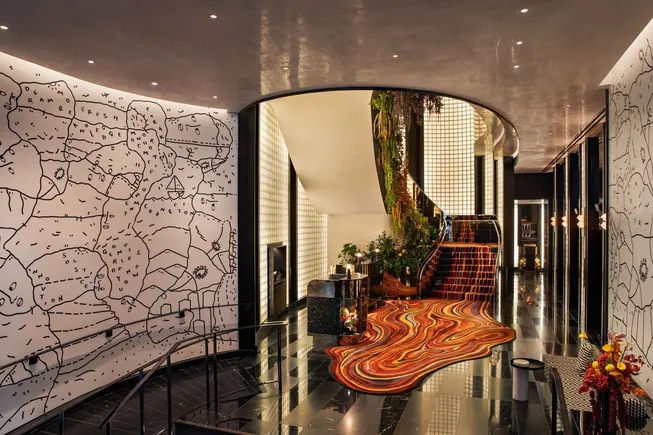
Well-designed interiors have the potential to elevate overall guest satisfaction; and in the age of social media, travelers may even choose a hotel based on design alone. Therefore, hotels must get design right.
For this reason, guests rightly expect every touchpoint to be carefully crafted. Think back to your most recent hotel stay—what left an impression on you? I bet it was often a small detail—like the scent in the lobby or a complimentary snack in the room. It might also be the practicality of the bathroom or a hidden surprise in the decor. It is rarely the grand amenities that make a real impact.
For designers, the key is to balance functionality with cost-effectiveness for owners, while providing an emotional connection for guests. A simple way to achieve this is through small, thoughtful design interventions.
Enduring Micro-Moments
Psychological research shows that people form an impression within the first seven seconds of entering a space. In reality, guests often only remember the highlights that occur during their stay. This is known as the 'peak-end rule': our brains tend to capture the most emotionally intense moments and the final outcome, shaping our overall perception.
Through small yet refined design details, hotels can easily create memorable 'peaks' that leave a lasting impression on guests. Good design makes guests feel comfortable, rather than aware of the design itself. For example, guests won't think, 'I need to find a place to put my bag'—instead, the bag naturally lands in the perfect spot.
Engaging the Senses
Hotel design should engage all the senses. Throughout the stay, guests should experience a blend of visual, auditory, tactile, and olfactory elements. Likewise, these elements need not be expensive—they can be small but meaningful adjustments. Think about how lighting, acoustics, and tactile materials can elevate an ordinary stay into an unforgettable experience.
For example, carefully selecting a fragrance that reflects the hotel's overall design style can have an immediate impact on a guest's stay. 'Scent marketing' helps create positive emotions and can even evoke nostalgia for some guests. For a beachfront hotel, choosing a fresh, crisp scent can complement the location and the property's aesthetic.
Lighting is equally crucial. Lighting that automatically adjusts color temperature or gradually dims as the evening progresses can aid sleep without guests having to lift a finger.
Incorporating Local Elements
Hotel owners and guests alike also have a growing need for community impact. Whether through partnering with local food suppliers, supporting community artists and designers, using locally sourced materials, or incorporating regional characteristics into interior design—building as many local collaborations as possible is key.
Guests increasingly want to truly experience the flavor of a place, so weaving that experience into the design is another way to create memorable moments.
Therefore, interior designers must consider how to incorporate local heritage, including using local fabrics, colors, and traditions, to create a sense of authenticity.
The Business Case
Thoughtful small-scale design investments are not just aesthetic luxuries—they are vital business tools. By creating unexpected 'peaks' during the stay, hotels leverage the peak-end rule to ensure guests leave with an overwhelmingly positive overall impression, thereby driving positive reviews, social media buzz, and guest loyalty.
Ultimately, small, carefully considered design details are a valuable way for owners to differentiate their hotels and achieve tangible return on investment by investing in emotional connection and enhancing guest retention.